Science is at the core of Reefy. Before testing anything in the water we conduct thorough experiments and monitoring of key components and the environment to ensure reliability, sustainability and constructability.

Buggenum Breakwater

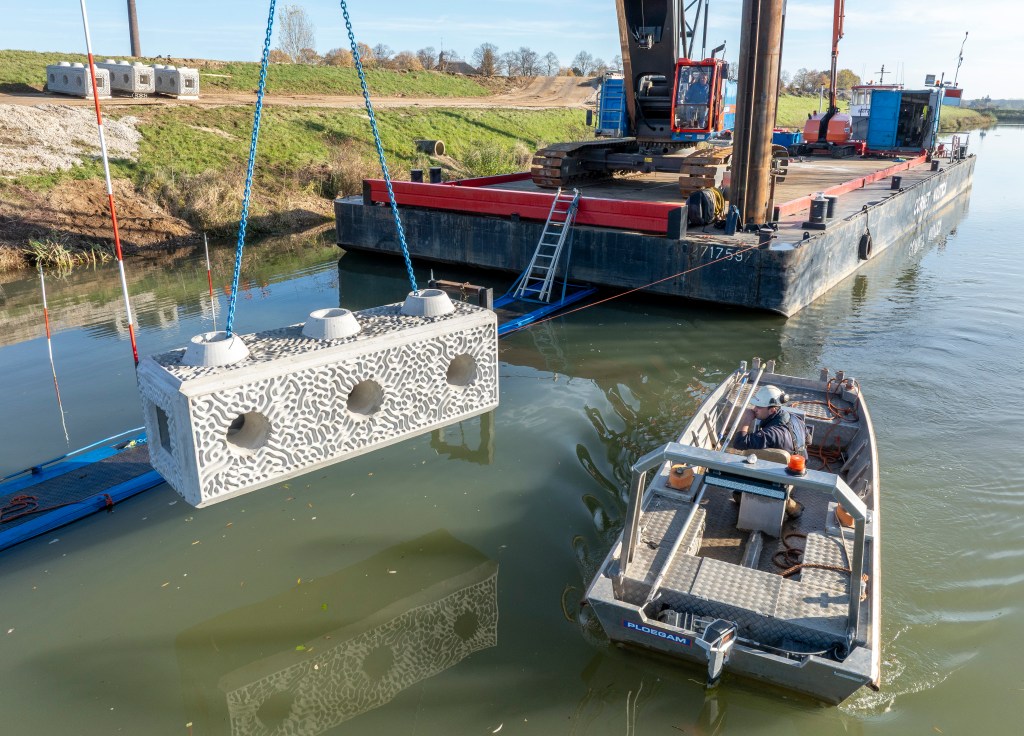
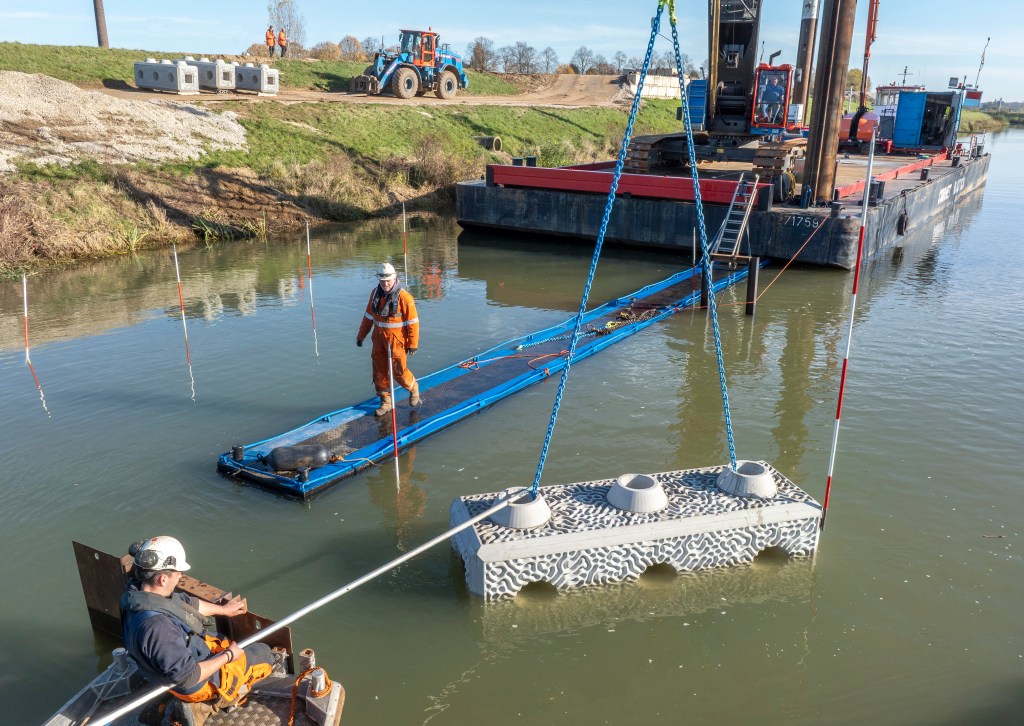
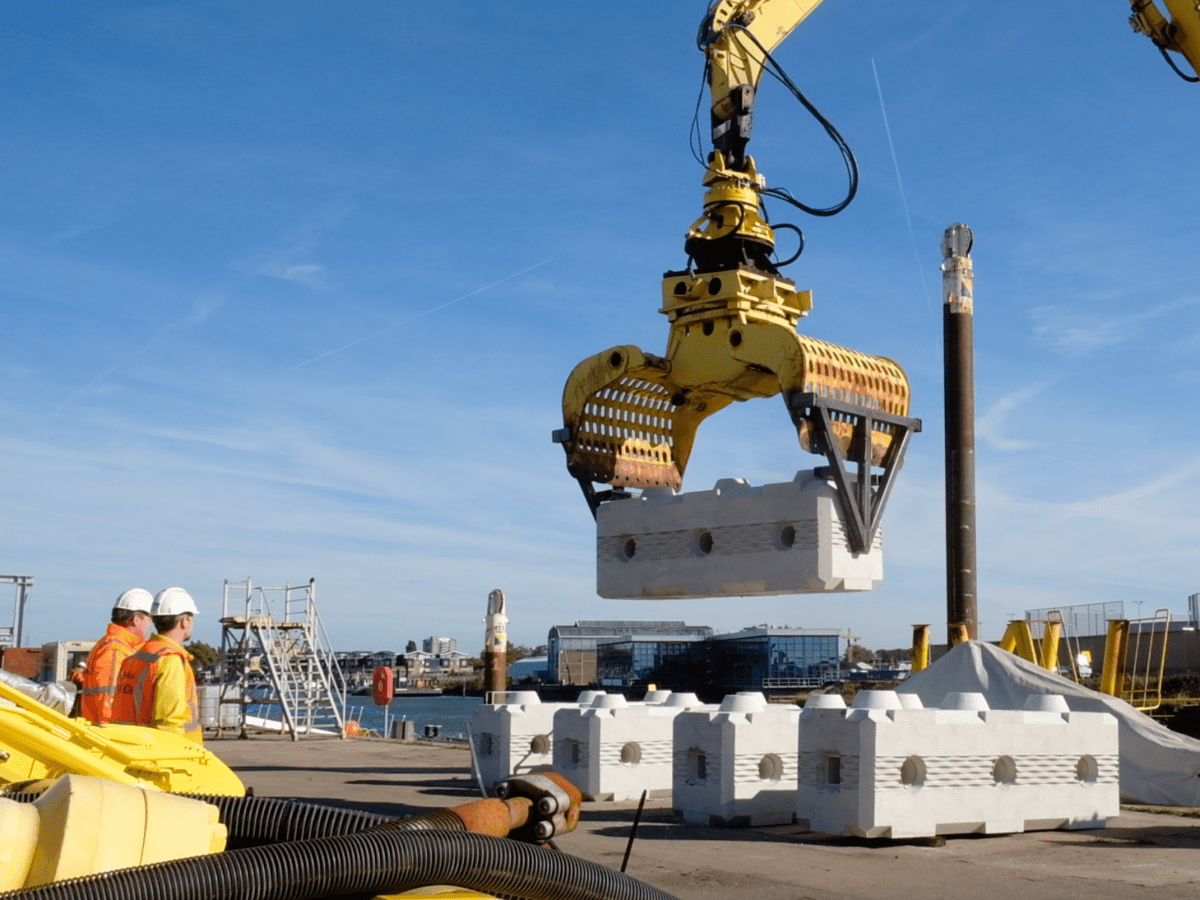
At Buggenum, Reefy delivered 60 ReefBlocks in the former cooling water channel of a decommissioned power plant. Together with Dijkzone Alliantie Buggenum, consisting of Dura Vermeer, Ploegam and Waterschap Limburg, the ReefBlocks form a submerged, permeable breakwater designed as part of the local dike reinforcement project. Following the relocation of a marina into the channel, the structure reduces resonating waves and creates calmer conditions while simultaneously enhancing the aquatic environment. Its open design maintains fish passage and water exchange, while sheltered spaces and textured surfaces create new habitat for aquatic species. The result is a multifunctional, qualified KRW measure under the EU Water Framework Directive, combining wave reduction, ecological connectivity and habitat creation.

The Rotterdam Reef Breakwater

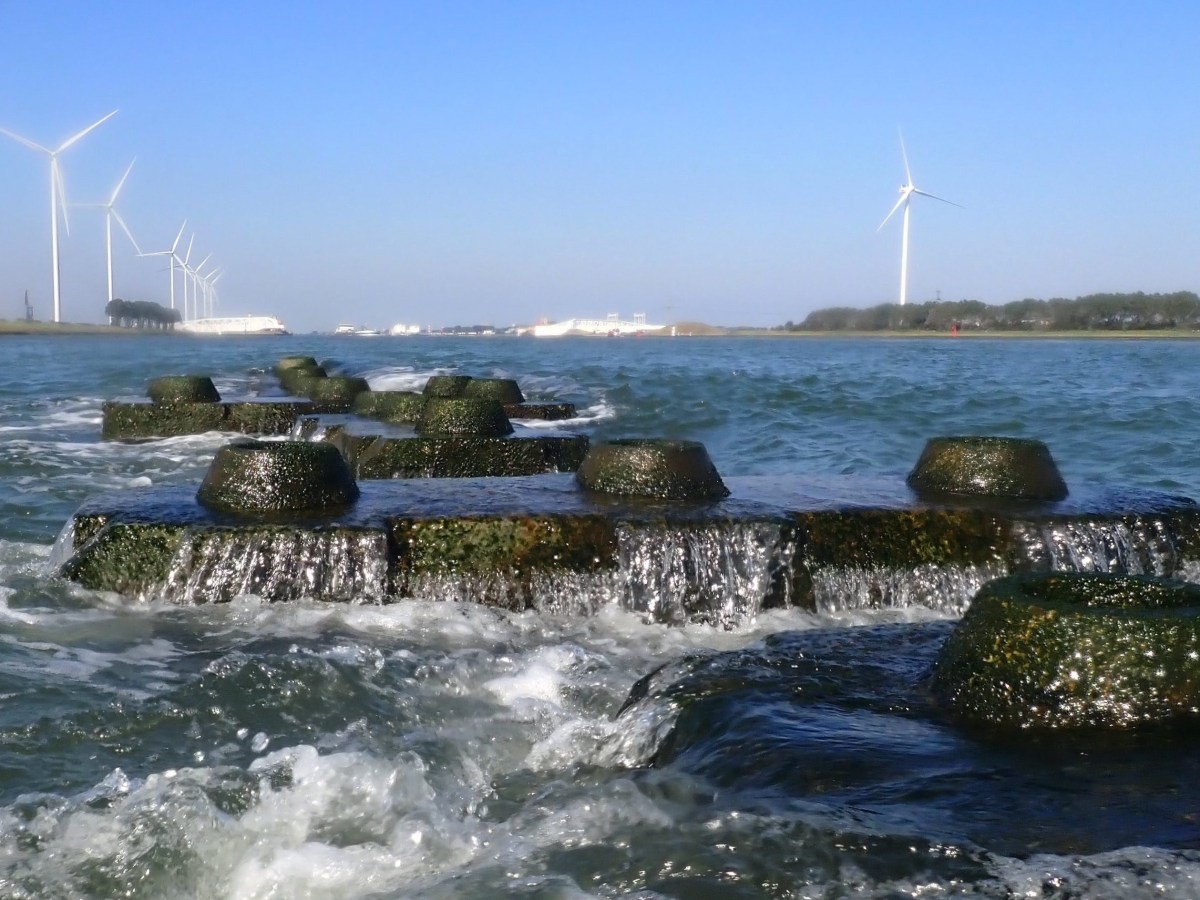
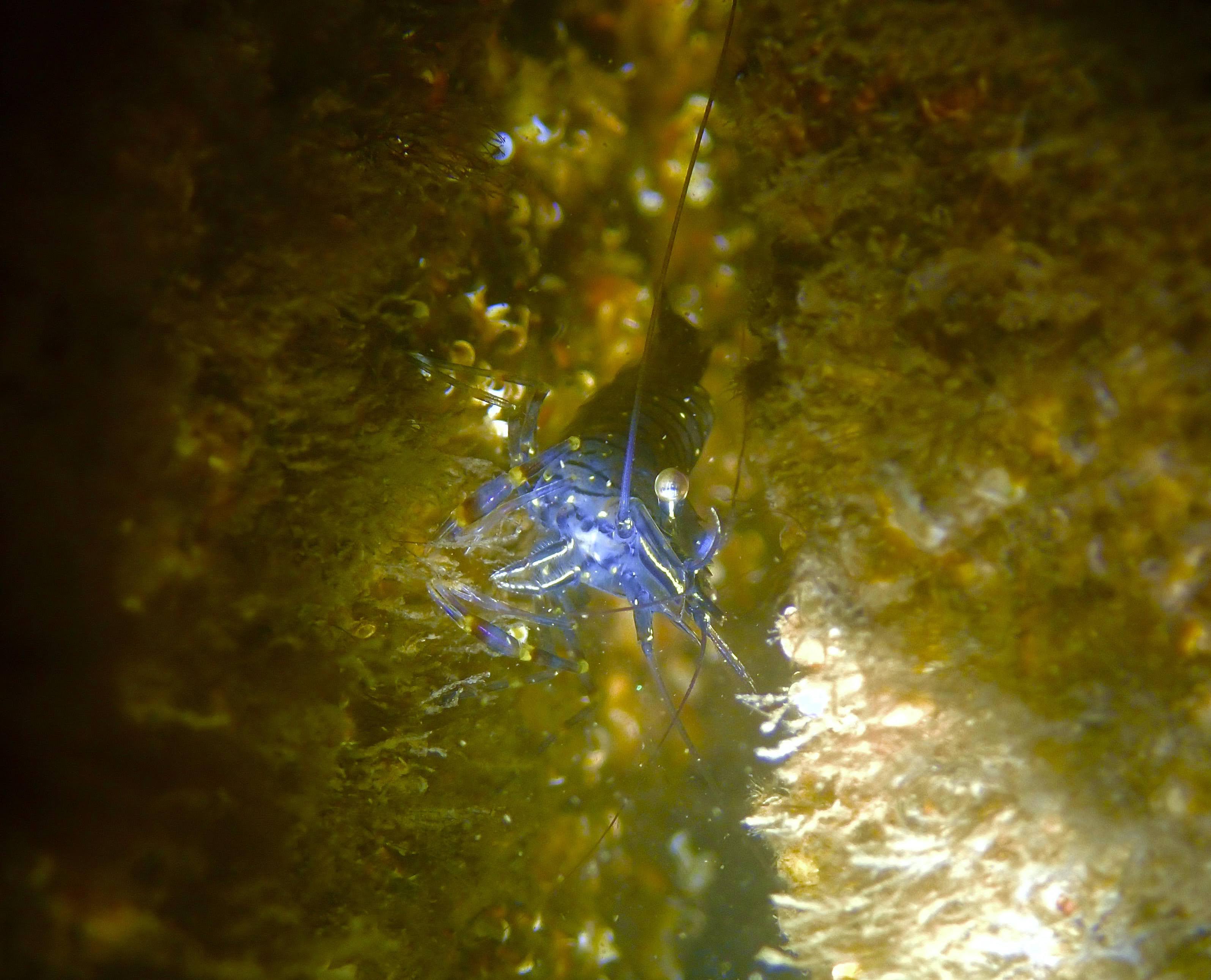
In March 2023, Reefy installed the Rotterdam Reef in collaboration with the Ministry of Infrastructure and Water Management, Boskalis and the City of Rotterdam as part of the Green Gate programme. The project demonstrated how nature-inclusive breakwaters can protect intertidal habitats from ship-induced waves while supporting ecological recovery in the Rhine-Meuse delta. Monitoring showed a threefold increase in biodiversity, confirming the ecological value of the system. Following the successful project, the Reefy solution was adopted by Rijkswaterstaat as an official KRW measure, supporting the Netherlands’ objectives under the EU Water Framework Directive.

Dry-testing experiments

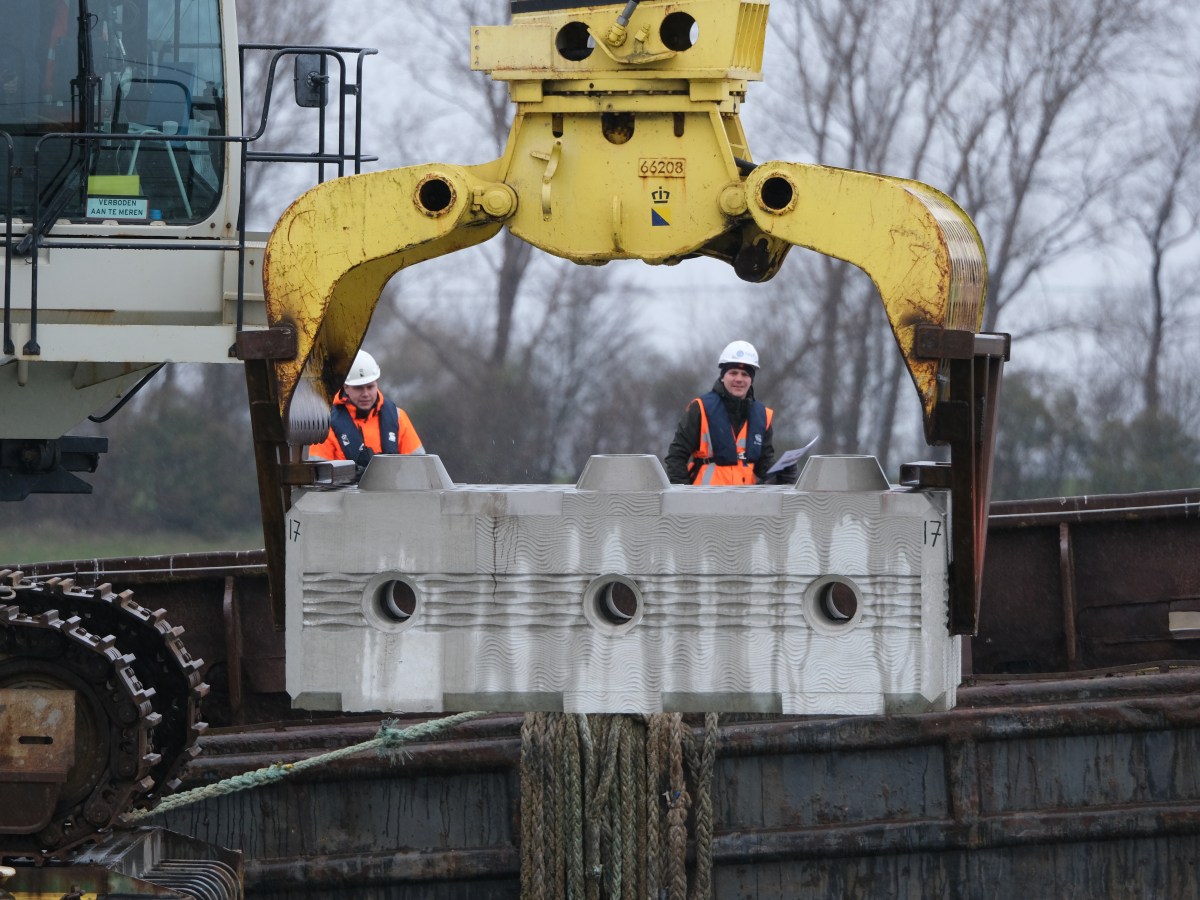
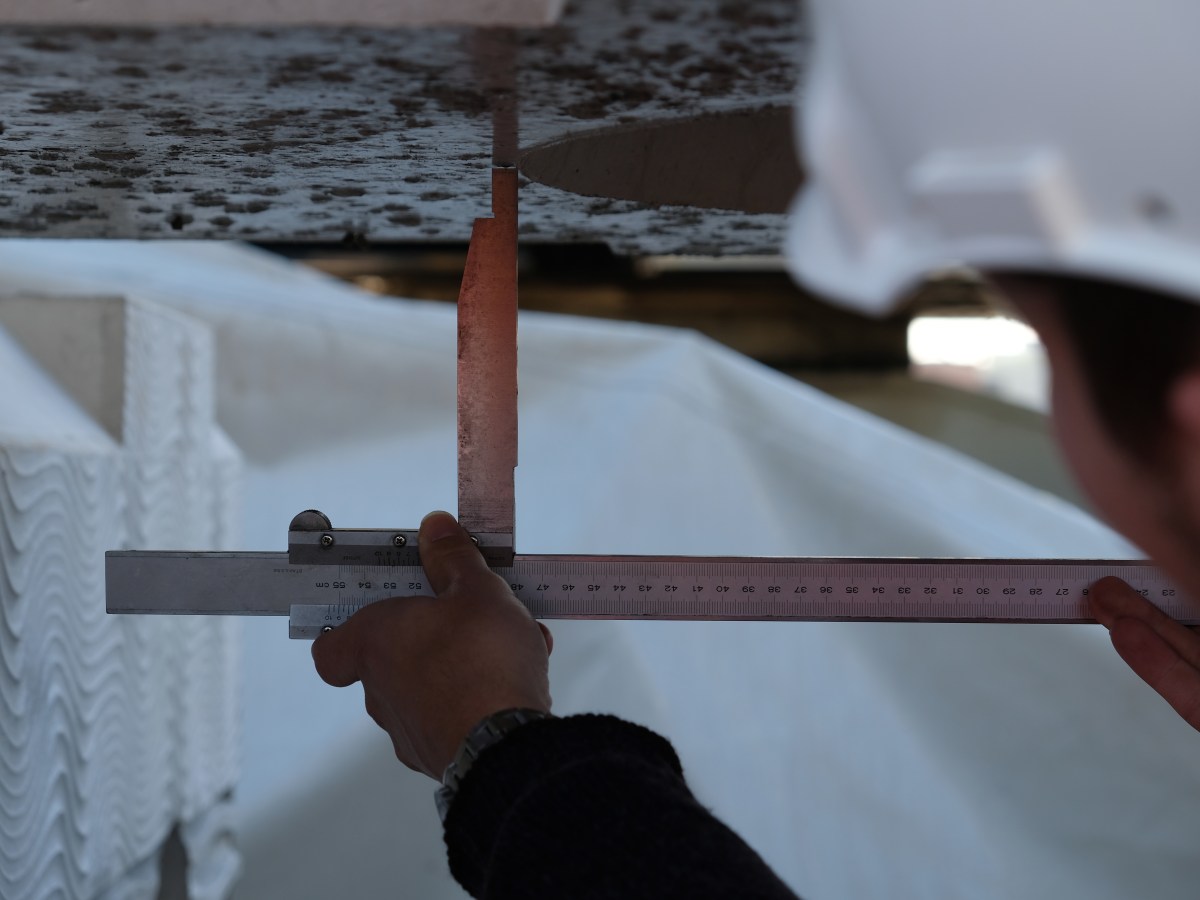
To develop an efficient underwater installation technique for the giant Reefblocks, Reefy conducted dry testing experiments in collaboration with Boskalis. During these tests an installation tool was developed that can place the blocks accurately with minimal tolerances on the sea floor with the help of advanced GPS technology. Results from these experiments lead to further optimization of the living breakwater units, ready for deployment.

Wave flume experiments

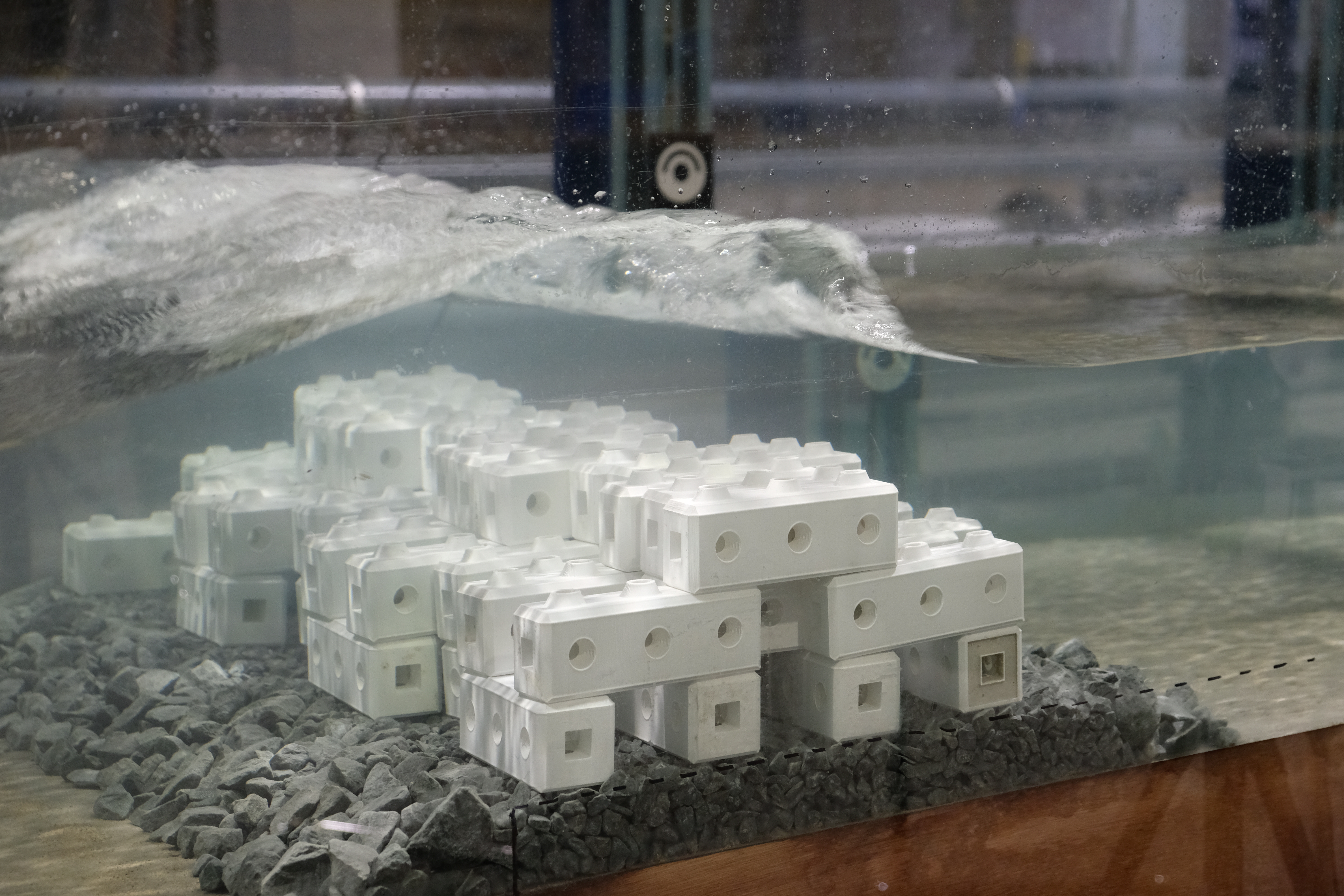
Reefy performed multiple extensive wave flume testing in the world-famous 110m long Eastern Sheldt Flume at Deltares. Complex ecological configurations of the ReefBlocks were tested and proven to be stable in hurricane force wave conditions. The structure showed to be a highly effective wave attenuator by dissipating up to 90% of the wave energy. Ecological data such as flow within the structure were also measured. This data allows us to design for a combination of hydrodynamic and ecological purposes.

Material and coral experiments

Reefy has tested a variety of sustainable materials for reef restoration in collaboration with Blijdorp Zoo in Rotterdam and Burgers Zoo in Arnhem. We also performed toxicity and trace element testing with Wageningen University. In Burgers Zoo, Reefy successfully grew coral on fully biodegradable biopolymers. This can allow coral to grow whilst the substrate slowly disappears, leaving only nature. In Blijdorp Zoo, Reefy is currently testing the growth of corals on sustainable and low emission concrete alternatives with great results!

Living lab: Indonesia

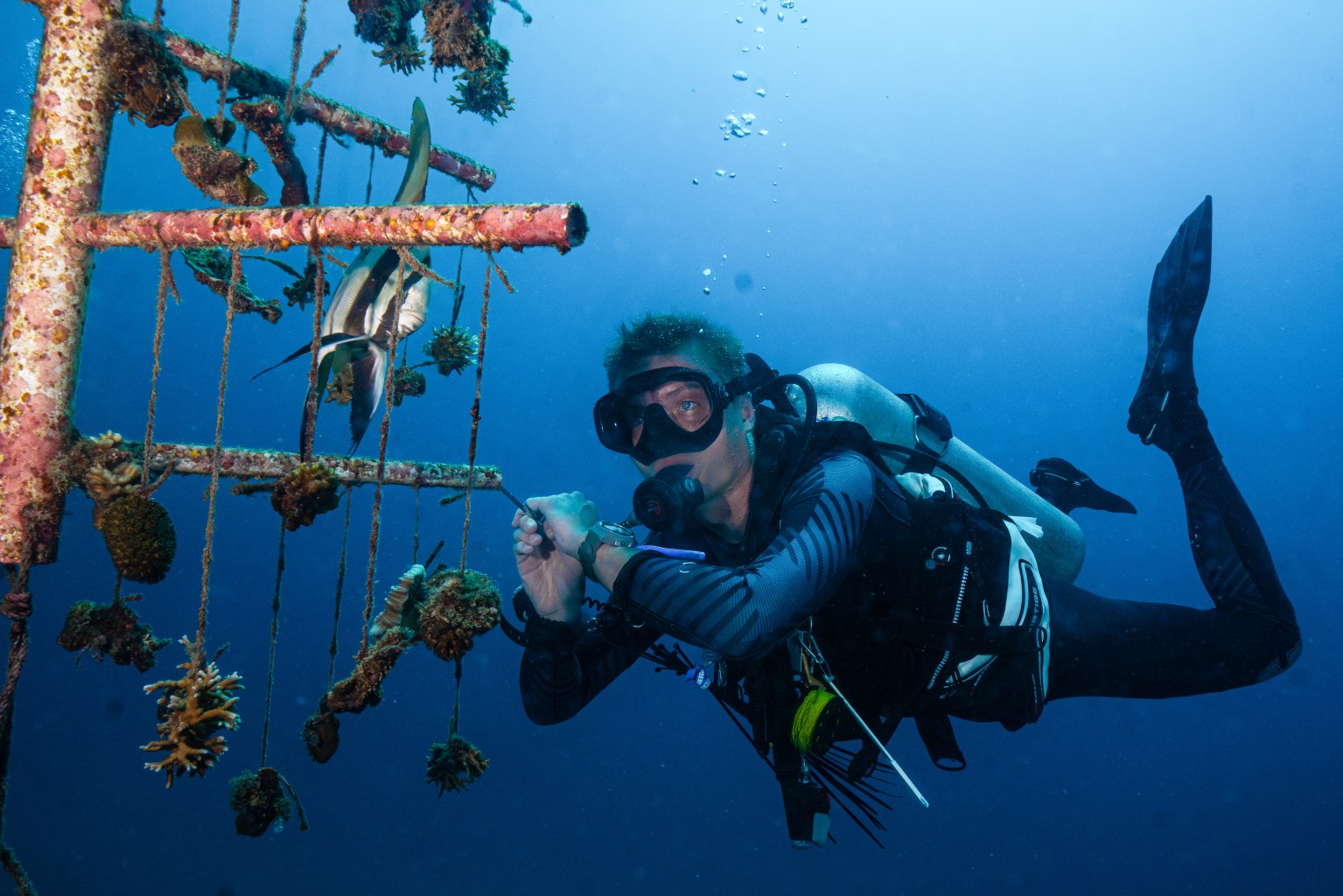
On the island of Gili Air, in Indonesia Reefy works together with Gili Shark Conservation, the Coral Catch program, TUDelft and Conservation Diver to test sustainable and resilient approaches to reef restoration. Our focus in this living lab is on optimizing materials for coral recruitment and selection of heat resilient coral whilst maintaining the maximum genetic diversity.

Team scientific publications

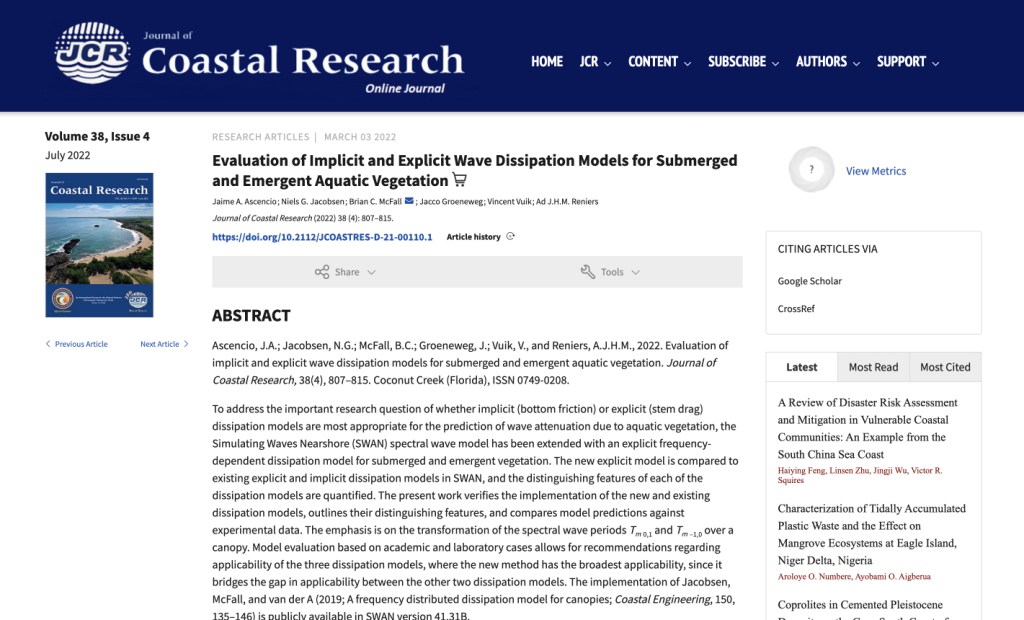
Jaime Ascencio:
Stopping waves with marine vegetation:

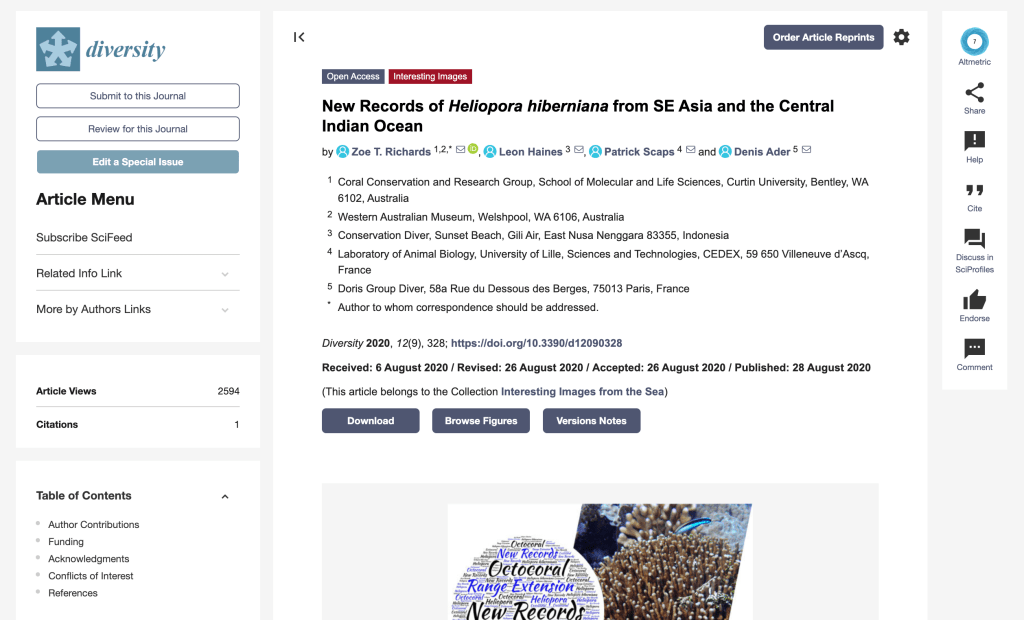
Leon Haines:
A new heat resilient coral for resilient reefs

Daan Houtzager:
Stability in breakwaters

Rewilding the ocean to protect the land.

Delft, The Netherlands

BTW: NL860704518B01